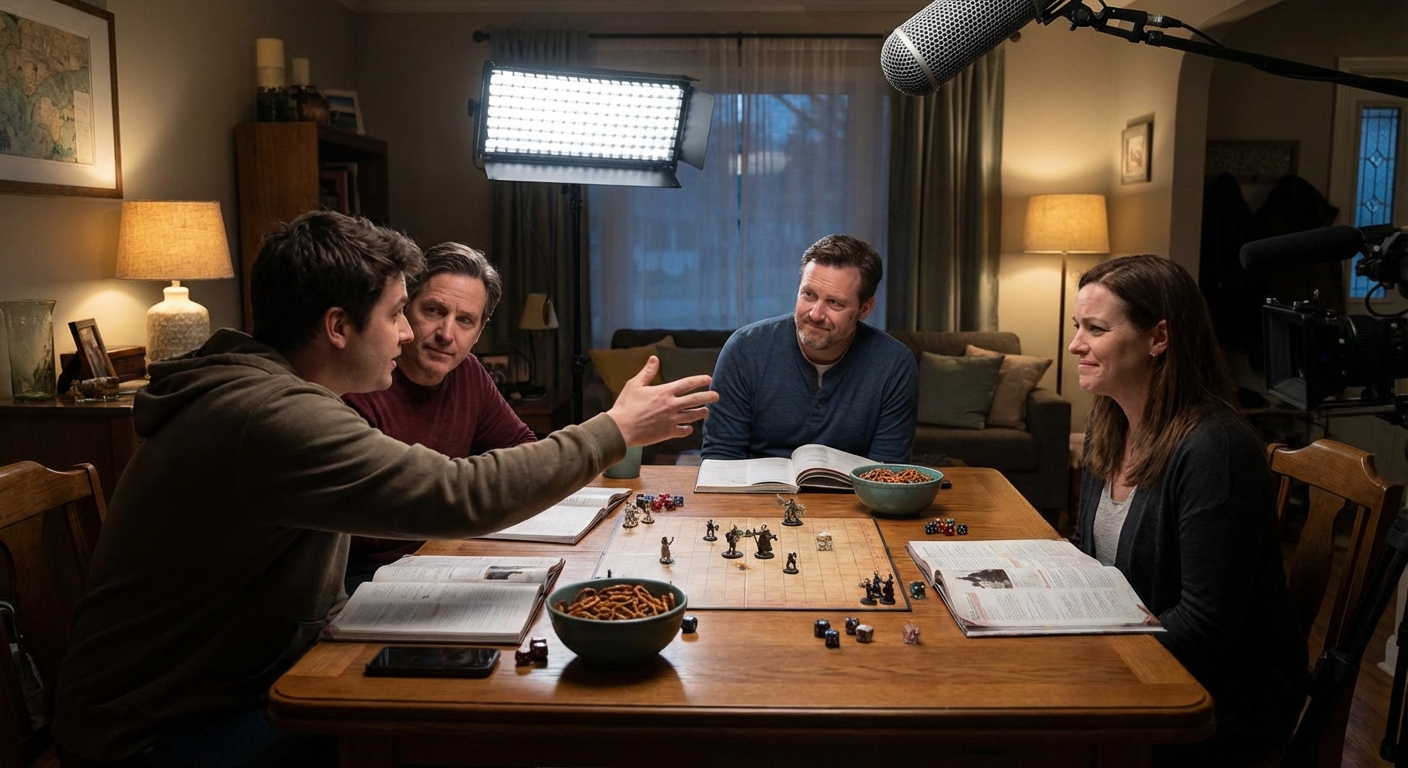
Dragging a brand‑new release to game night can go two ways:
So You Bought the New Hotness. Now What?
- It becomes a new group staple.
- Everyone spends 40 minutes confused, 2 hours mildly annoyed, and never wants to see it again.
The difference isn’t just the game. It’s how you introduce it.
Here’s a practical, table‑tested guide to launching new releases so they actually stick — with concrete tips on rules digestion, teaching order, first‑play strategy, and handling component quirks.
Step 1: Learn the Game Like You Plan to Lose With It
Before inflicting a fresh rulebook on your friends, put in solo time.
How to Study a New Rulebook Efficiently
- Skim for structure: Identify the game loop (setup → round structure → scoring).
- Play dummy rounds: Set it up, run 2–3 sample turns for each player color.
- Flag pain points: Note any rules that feel fiddly or unintuitive.
If there’s a rules video, watch it AFTER you read. Use it to resolve confusion, not to replace the rulebook.
Pro tip: Write a 1‑paragraph "elevator pitch" for the game’s goal and core actions. If you can’t explain it succinctly, your teach will be messy.
Step 2: Prep a Teaching Script (Yes, Really)
Nothing tanks new releases faster than a rambling teach.
Use This Teaching Order
Theme & Objective (1–2 min)
"We’re rival houses running airship yards in Skyward Foundries. After 5 rounds, most prestige points wins."
Core Loop (2–3 min)
Explain what a typical turn looks like, in order.
Key Resources & Economy (3–4 min)
What you spend, what you gain, and why it matters.
High‑Level Actions (5–7 min)
Walk through each main action tile/phase, but avoid edge cases.
How the Game Ends & Scores (2–3 min)
Tell them how to win before they take their first turn.
Edge Cases As They Arise
Don’t front‑load corner rules; mention them the first time they’re relevant.
Have the rulebook open to the round structure page during your teach and refer to it. It communicates confidence and transparency.
Step 3: Set Expectations on Complexity and Mood
Be blunt about what they’re signing up for.
- Weight: "This is a notch heavier than Terraforming Mars but lighter than Lacerda titles."
- Playtime: Add 30 minutes to the box estimate for teach + first play.
- Mood: Is this crunchy, cutthroat, puzzly, party‑adjacent?
If you’ve picked up a new release that’s meaner or heavier than your group norm, say so upfront. It’s better to swap games early than halfway through a miserable learning play.
Step 4: Optimize the First Play for Discovery, Not Perfection
Your group doesn’t need a balanced, tournament‑level experience out of the gate. They need to understand why the game is interesting enough to revisit.
Concrete First-Play Tweaks (That Don’t Break the Game)
- Shorten the game by one round/era if rules allow.
Many new releases scale cleanly: "Play 4 rounds instead of 5 for your first game."
- Use recommended starter setups.
If the game offers "first game" variants for asymmetric powers or market tiles, use them.
- Discourage slow AP.
For the teaching game, gently cap turns at ~60–90 seconds. Announce this as a learning‑phase norm.
Early Strategy Guidance (Without Solving It)
Give one or two guardrails so players don’t derail their own fun:
- "In Skyward Foundries, don’t ignore steel early. You need it for almost everything."
- "In this deck‑builder, trashing weak cards is powerful; look for ways to thin your deck."
But stop there. Let them discover nuances on their own.
Step 5: Tame the Components Before Game Night
Many new releases arrive with:
- Overproduced minis
- Fiddly token types
- Iconography from another planet
- Bag and label key tokens so setup is intuitive.
- If icons are dense, print or make player aids (even handwritten is fine).
- Do a dry setup once to time it and refine your tray/insert layout.
Component Prep Checklist
Consider pre‑assigning colors and seating for asymmetrical games so players with heavier powers sit near you for questions.
If player boards are flimsy or cubes slide easily, put a playmat or tablecloth under the game. Slight friction saves sanity.
Step 6: Handle Rules Mistakes Like an Adult, Not a Lawyer
You will mess up a rule on the first play. The question is how you react.
Good Practices
- If a correction appears within the first third of the game, rewind if it’s easy and everyone agrees.
- If it appears near the end, announce it, clarify the correct rule, and play future turns correctly.
- Offer a rematch another night with the correct rules and possibly a shortened game.
Avoid mid‑game houseruling unless the group is unanimous and the edge case is obvious.
Your goal is to protect the experience and pacing, not the sanctity of the first winner’s bragging rights.
Step 7: Post-Game Debrief – Decide If It Earned a Second Shot
Don’t just pack up and move on. Take 5–10 minutes to debrief while the game’s fresh.
Ask Targeted Questions
- "Was there a point where the game finally clicked for you?"
- "Did you feel like your decisions mattered by mid‑game?"
- "Which parts dragged or felt fiddly?"
- People leaning in, replaying key moments = potential hit.
- Everyone quietly checking phones in the last round = problem.
Pay attention to body language as much as answers:
If the consensus is "it was fine, but confusing," schedule a shorter, second play soon. Most medium‑heavy new releases improve dramatically when rules overhead fades.
Step 8: Adjust for the Second Play — This Is the Make-or-Break
The second outing determines if a new release joins the rotation or the trade pile.
Refinements for Game Two
- Teach in 5–7 minutes assuming prior exposure. Focus on reminders and advanced tips.
- Use full rules and full length this time.
- Encourage players to try different approaches than their first game.
- "Last time we all rushed big contracts. I’m going to try a small‑engine, high‑efficiency line."
Share a bit more strategy:
Watch if the game opens up or feels scripted. If experienced players still feel funneled into one obvious path, the design may be too shallow for repeated plays.
When to Retire a New Release (And When to Fight for It)
Some games die because they’re bad. Others die because they’re mismatched with your group.
Retire It If
- Everyone’s lukewarm even after a cleaner second play
- Setup/tear‑down headaches outweigh the experience
- It overlaps heavily with a game your group clearly prefers
- At least 2 people are clearly intrigued and want another shot
- Early friction came from rules density, not lack of depth
- You can house‑rule one or two small tweaks to fix pacing or clarity
Fight for It If
There’s nothing wrong with trading or selling a new release that didn’t land. Shelf space is a resource, too.
The Real Secret: Respect Your Group’s Time
Every new release you bring is a time investment you’re asking friends to make. If you:
- Learn it properly
- Teach it cleanly
- Manage expectations
- Optimize first plays for discovery
- Debrief and iterate
…you’ll dramatically increase your hit rate. More importantly, your group will trust you when you say, "I’ve got something new I think you’ll love."
In a hobby flooded with fresh cardboard every week, that trust matters more than any shiny Kickstarter miniature.